Expectation Management
The website presented a full resort experience. The pre-arrival communication did not correct that expectation until it was too late.

How delayed disclosure of closed facilities damaged Guest trust before arrival and exposed a wider gap between resort promise and operational readiness.
A newly opened resort positioned itself as a “beachfront sanctuary where wellness meets wonder.” The online presentation was polished, aspirational and highly persuasive. The property promoted a complete resort experience, with facilities, wellness spaces, leisure areas and signature features presented as available and central to the stay.
The Guest booked a two-week stay based on that public presentation.
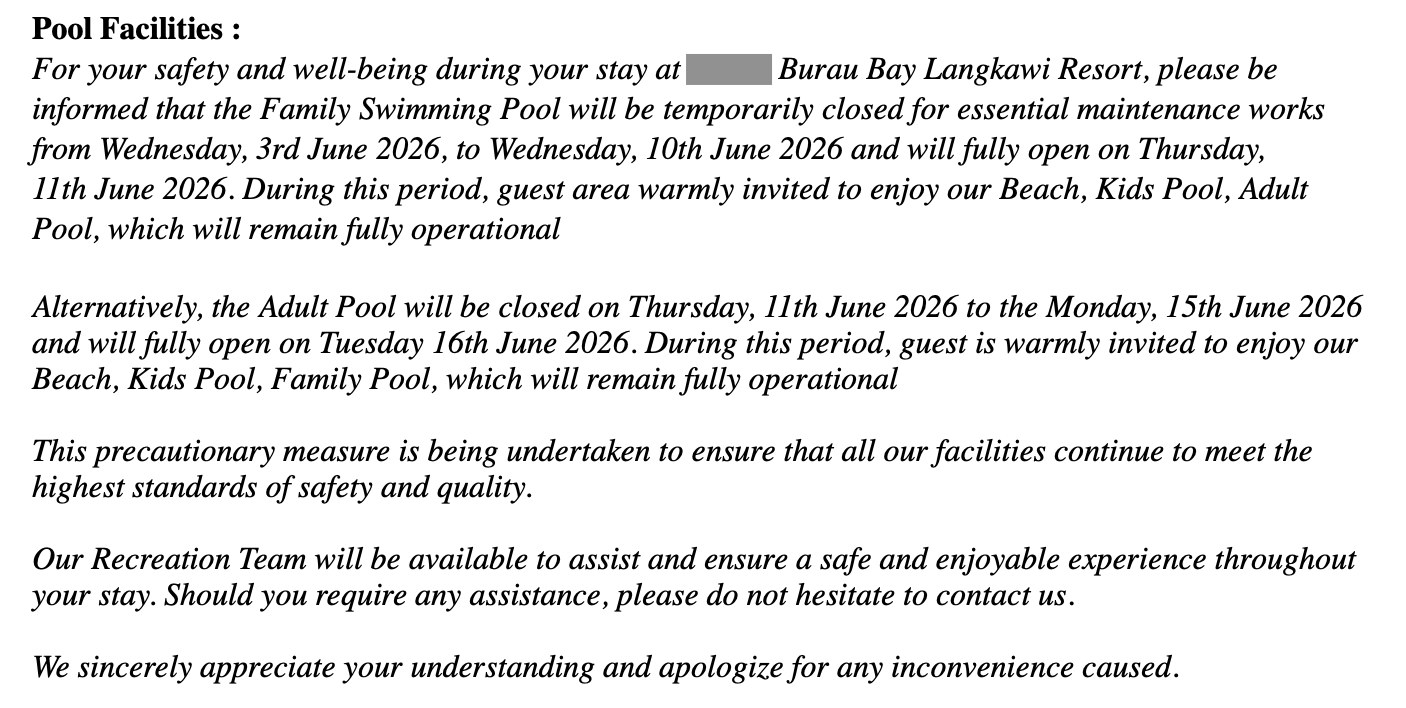
Only the night before arrival, the Guest received an email advising that a number of advertised facilities were closed. By that point, the Guest had already travelled, committed to the stay and lost the practical opportunity to make alternative arrangements.
On arrival, the reality was significantly worse than the pre-arrival communication suggested.
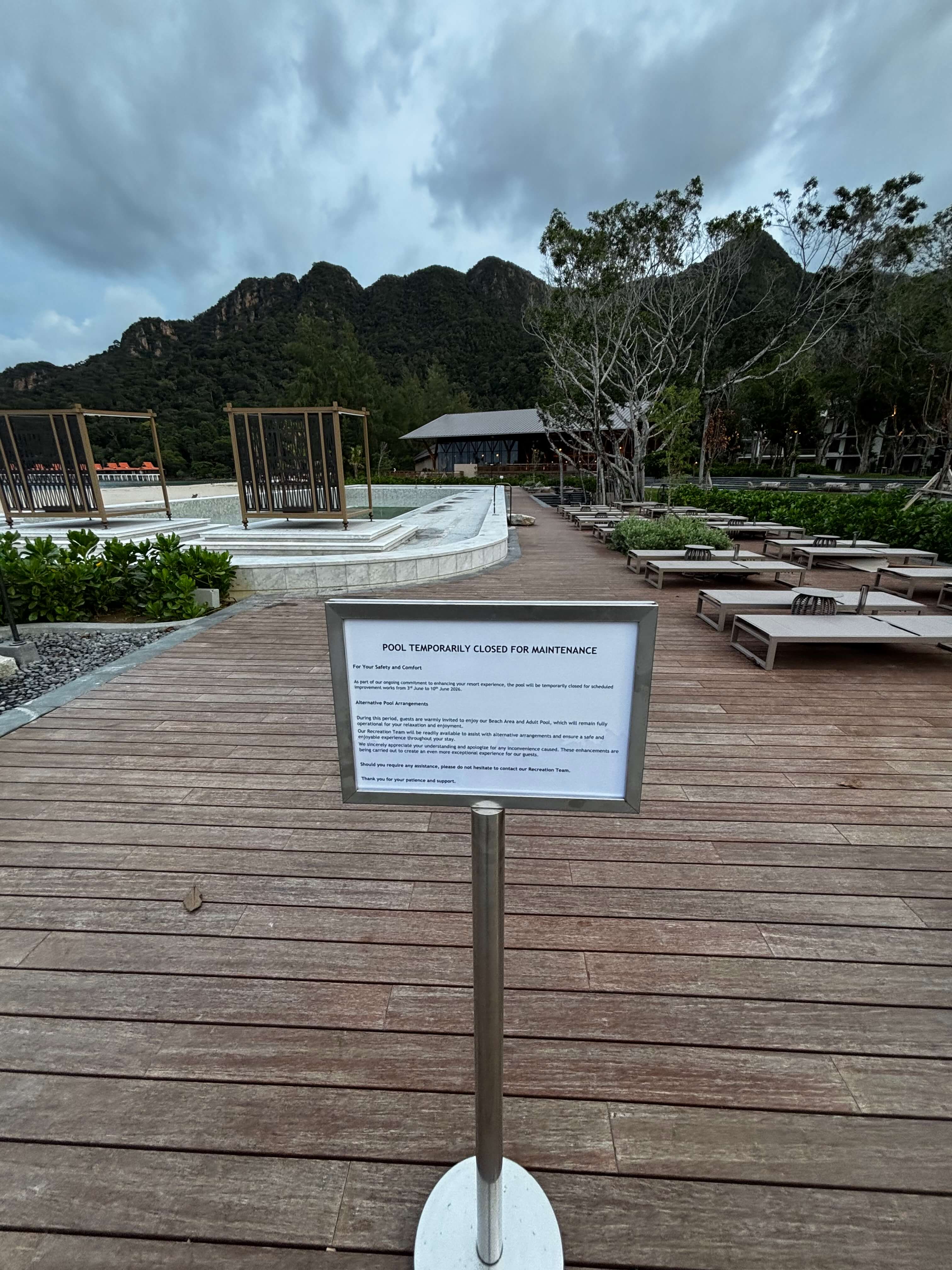
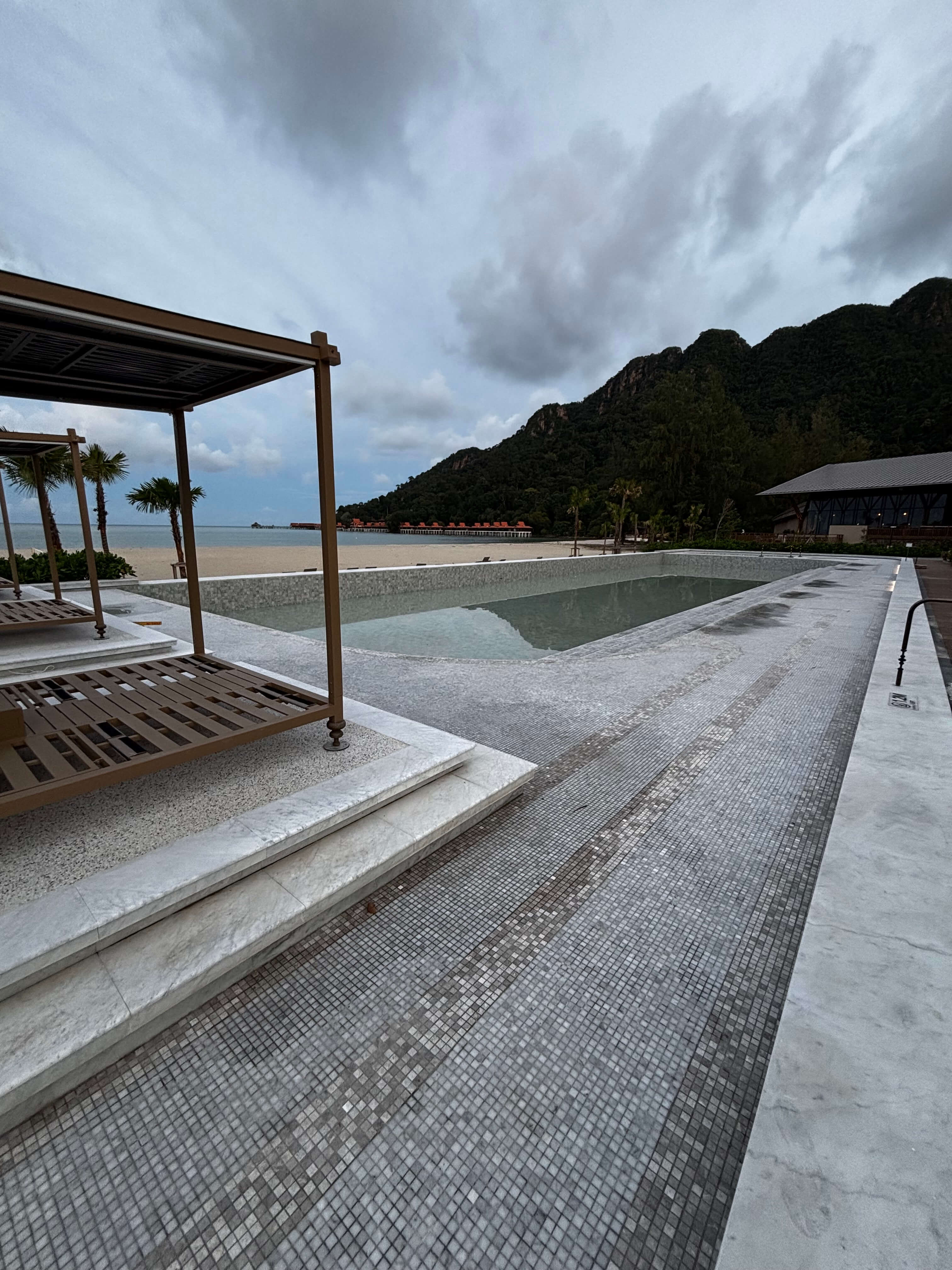
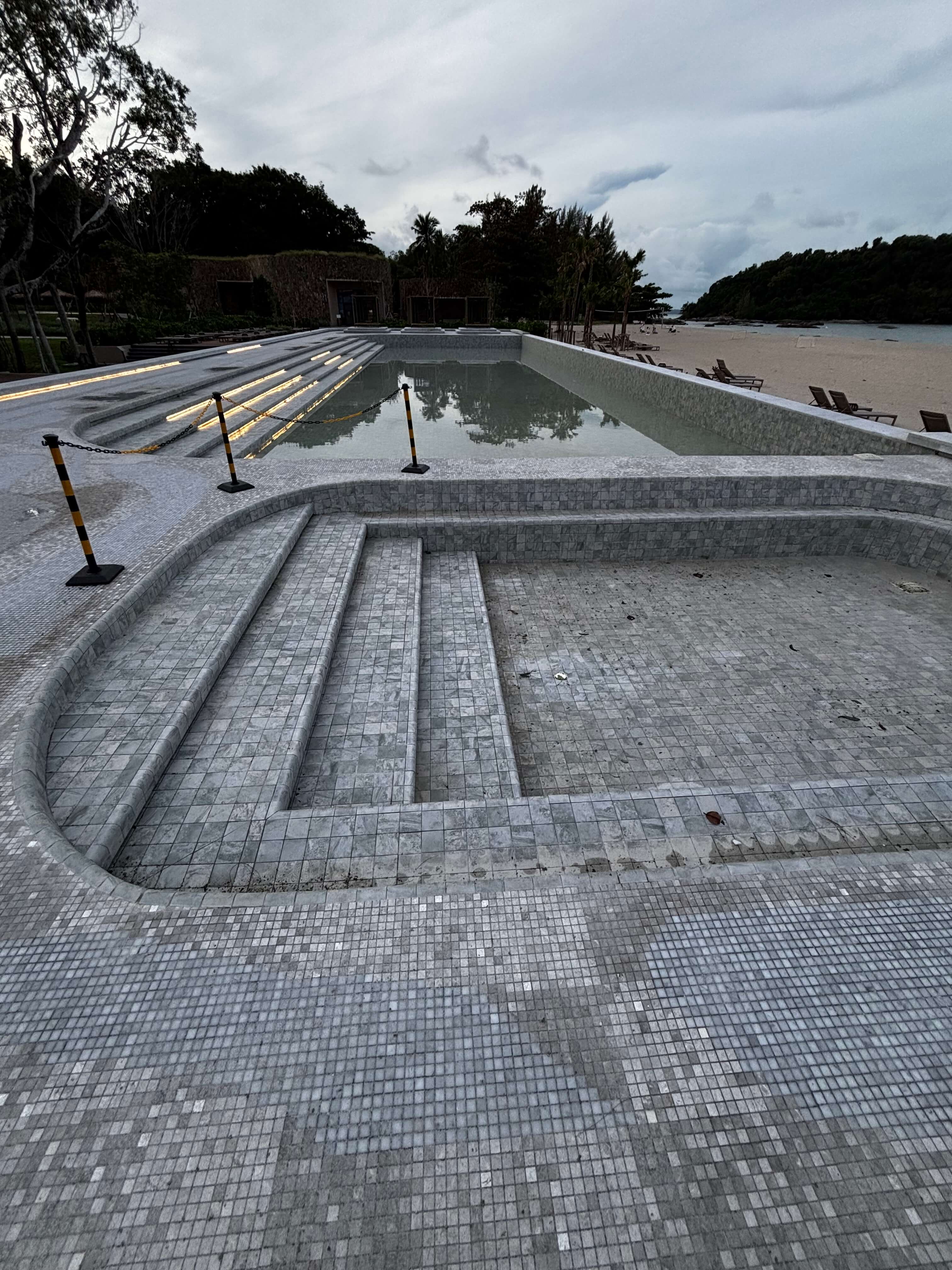
The resort was not simply experiencing minor opening issues. Large parts of the operation felt unfinished. Key facilities were unavailable, construction noise was constant, public areas lacked polish, housekeeping standards were inconsistent, and the overall environment did not reflect the calm, premium sanctuary being promoted online.
What began as a facilities issue quickly became a trust issue.
New hotels often experience a period of adjustment. Some operational snagging is expected. Systems are tested, team routines settle, service sequences are refined and physical defects are corrected.
However, there is a clear difference between normal opening-phase refinement and knowingly allowing Guests to arrive into an experience that does not match what has been sold.
In this case, the most serious failure was not simply that facilities were closed. It was that the hotel knew a major signature facility was unavailable on 3 June 2026, yet did not communicate this to the Guest until four days later. By then, it was too late for the Guest to reasonably reschedule or reconsider a two-week stay.
The delay removed choice.
That is where the Guest experience began to fail — before the Guest had even reached the resort.
The photographs reinforced the gap between the advertised sanctuary and the experience being delivered on property.

The Guest made the booking based on the hotel’s website, where the resort experience was presented as complete and available.
The website created a clear expectation. It showed a beachfront resort built around wellness, leisure and discovery. Facilities appeared open. Signature spaces appeared ready. The Guest had no reason to believe that the actual experience would be materially different from the one being promoted.
The night before arrival, the hotel sent an email advising that many advertised facilities were closed.
The timing of that message was critical. Had the Guest been informed at the point the hotel became aware of the closures, they could have made an informed decision. They could have rescheduled, moved hotel, adjusted plans or challenged the suitability of the stay before travel.
Instead, the Guest was informed at the point where their practical options had been removed.
On arrival, the situation was more serious than described. The property felt unfinished. Construction noise affected the atmosphere. Cleanliness and presentation were not at the level expected. Staff appeared poorly trained and lacked the emotional intelligence required to handle a disappointed Guest with empathy and professionalism.
The Guest room also had a noisy air-conditioning unit, adding another point of friction to an already compromised stay.
Individually, some of these points could be explained as new-property snagging. Collectively, they created a pattern of poor readiness, poor standards control and weak Guest communication.
A resort stay is purchased emotionally before it is experienced physically.
The Guest does not only buy a room. They buy the promise of the setting, the facilities, the atmosphere, the service and the confidence that the hotel will deliver what has been presented.
When a property describes itself as a beachfront sanctuary, it creates a specific expectation: calm, comfort, escape, care and confidence.
When the Guest then arrives to closed facilities, construction noise, unfinished areas, dirty spaces, inconsistent housekeeping and poorly handled communication, the experience is not simply disappointing. It feels misleading.
The hotel’s communication failure shaped the entire stay before arrival.
Instead of beginning the stay with anticipation, the Guest arrived with concern. Instead of being welcomed into a sanctuary, they entered with doubt. Every issue that followed was then viewed through the lens of that broken trust.
This is why pre-arrival communication is not administrative. It is part of the Guest experience.
The most damaging point was the timing and quality of the communication.
The hotel knew that a key signature facility was closed on 3 June 2026. The Guest was not informed until four days later. For a two-week stay, that delay was material.
The failure was not just operational. It was ethical and commercial.
The hotel continued to benefit from a booking made on the basis of facilities it knew were unavailable. It gave the Guest too little notice to make an alternative decision. It then made no meaningful attempt to recover the situation once the Guest arrived and discovered the wider extent of the problem.
Good communication protects trust. Poor communication transfers operational failure onto the Guest.
In this case, the Guest was left to absorb the consequences of the hotel’s lack of readiness.
Once the hotel knew that major advertised facilities were unavailable, it should have acted immediately.
The Guest should have been contacted clearly and honestly, with enough notice to make an informed decision. The communication should have explained which facilities were closed, when the hotel became aware, how long the closures were expected to last, how the closures would affect the stay, what alternatives were available, what compensation, adjustment or flexibility would be offered, and whether the Guest wished to proceed, amend or cancel.
This should not have been positioned as a routine update. It was a material change to the product sold.
The hotel should also have reviewed all affected future arrivals and proactively contacted them, rather than waiting until the final moment.
On arrival, the Guest should have been met by a senior manager who understood the impact of the situation, acknowledged the failure and had authority to offer practical recovery. Instead, the lack of emotional intelligence and service ownership intensified the frustration.
This case highlights a common opening-period risk: the marketing promise moves faster than operational readiness.
A hotel may be open commercially, but not ready experientially.
When sales, marketing and reservations continue to present a complete resort experience while operations are still unfinished, Guests are exposed to a gap between expectation and reality. That gap can quickly damage reputation, review scores and brand confidence.
The issue is not only whether a pool, spa, restaurant or facility is open. The issue is whether the Guest has been given truthful, timely and useful information before they commit their time and money.
In this case, the hotel failed to control three critical areas:
The website presented a full resort experience. The pre-arrival communication did not correct that expectation until it was too late.
Closed facilities, construction disturbance, cleanliness issues and inconsistent service indicated that the property was not yet delivering the experience being sold.
Once the Guest arrived, the hotel did not appear to recognise the emotional impact of the failure or make a meaningful attempt to rectify the situation.
Poor communication can damage a stay before the Guest arrives.
When a hotel knows that key facilities are unavailable, delayed disclosure is not a small administrative failure. It is a breakdown in trust.
The Guest should never have to discover the true condition of a resort after arrival, especially when the hotel already knew that the stay would be materially different from the one advertised.
For newly opened properties, transparency is not a weakness. It is a protection mechanism.
Guests may forgive some opening issues if they are communicated honestly, handled with care and supported by genuine recovery. What they are far less likely to forgive is being told too late, arriving to something worse than disclosed, and then feeling that the hotel has made no serious attempt to put things right.
A hotel’s first responsibility is not to sell the dream at any cost. It is to ensure the Guest understands what they are actually buying.
Where facilities are closed, standards are not yet stable or construction remains active, the hotel must communicate early, clearly and fairly.
The most important question is simple:
Did the Guest have enough accurate information, at the right time, to make an informed choice?
In this case, the answer was no.
That failure shaped the entire stay.
GUESTX reviews pre-arrival, in-house and post-stay communications to identify expectation gaps, missed handovers and points where trust can be lost before service recovery begins.