
The executive lounge should have been one of the easiest places in the hotel to enjoy.
It was a four-star, large-chain city hotel. The kind of property where Guests expect a certain rhythm: coffee available, food replenished, tables cleared, crockery stocked and staff visible enough to keep everything moving.
Instead, within ten minutes of entering the lounge, it was clear the space was unloved.
Not because staff were not trying. They were. But trying is not the same as having the manpower, tools, training and management support required to deliver the standard being promised.
The lounge felt under-resourced from the start. Food was slow to be replenished. Guests looked around for staff. Tables needed attention. Small frustrations began to build quietly across the room.
Small details. Bigger operational signals.
Four observations from one executive lounge visit.
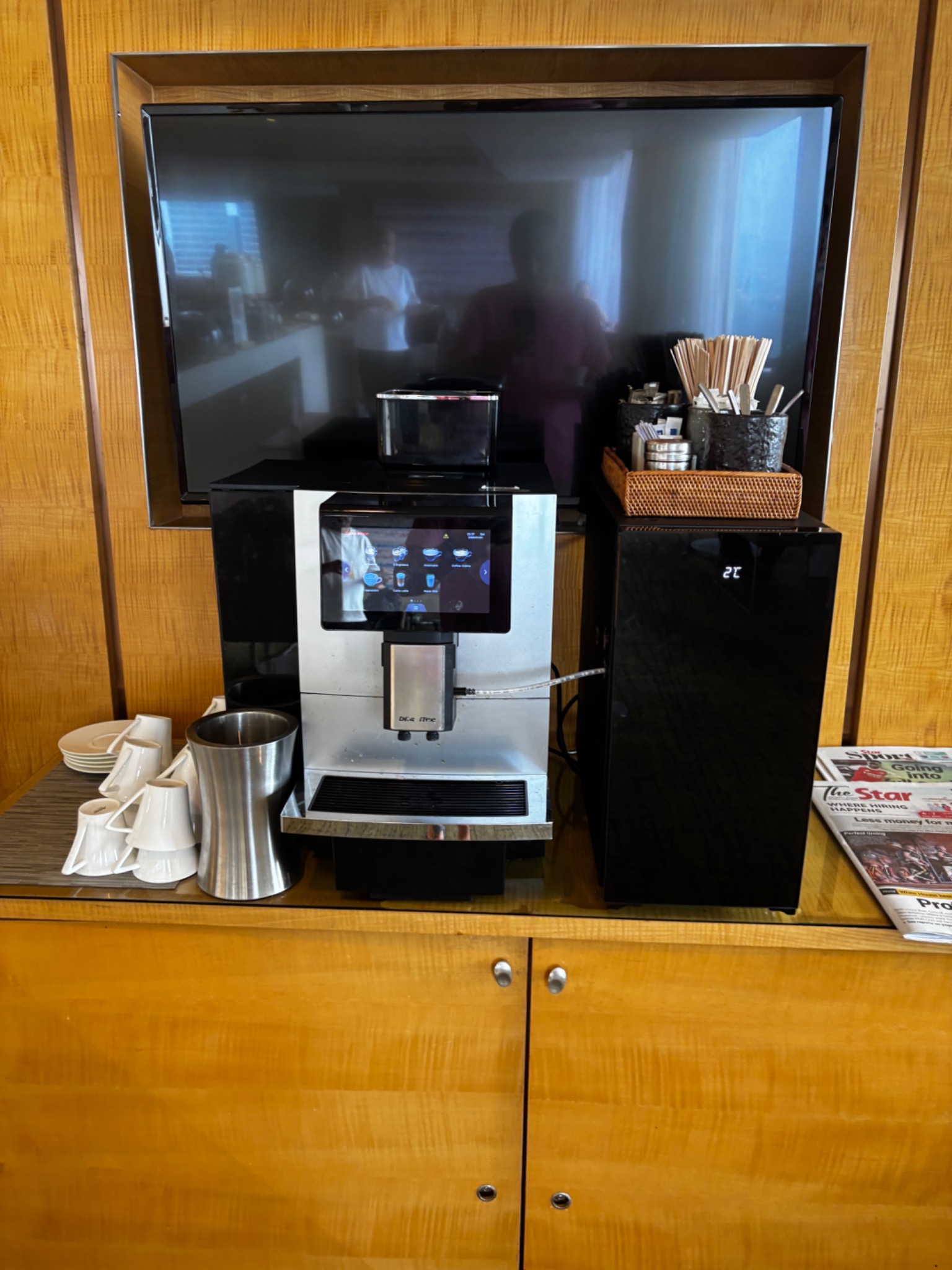
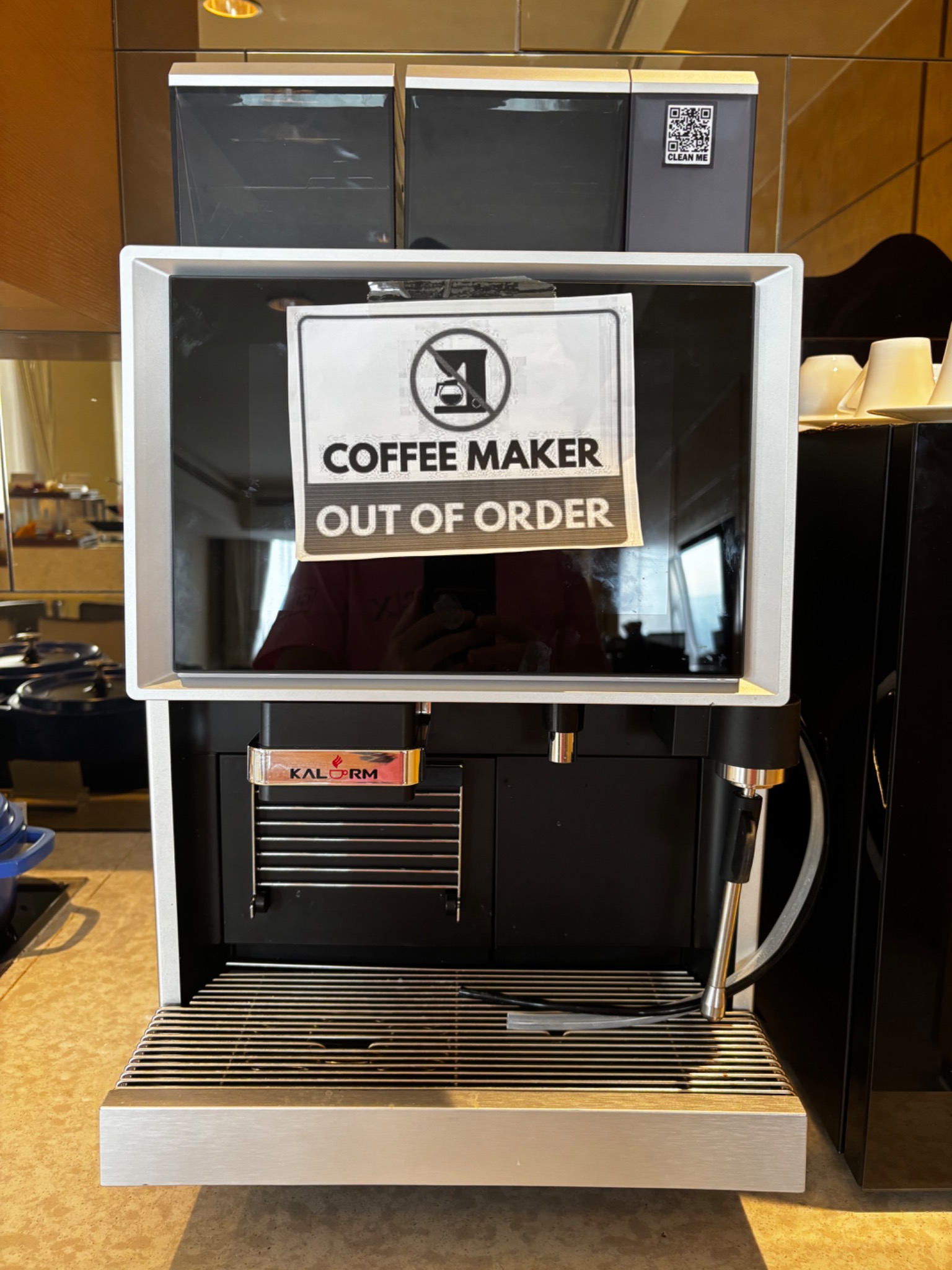
The most visible issue was the coffee machine.
It had failed. That happens. Equipment breaks in every hotel. But the response matters. Instead of removing the machine for repair, replacing it properly or presenting a discreet alternative, the broken machine remained in the lounge with a large sign taped across it.
The message to Guests was not subtle: this is broken, and we have not really solved it.
A second machine had been installed, but that created another issue. The only practical plug socket appeared to be the one used for the television, so the television had been unplugged and the temporary solution became part of the Guest experience.
Then came the smaller details.
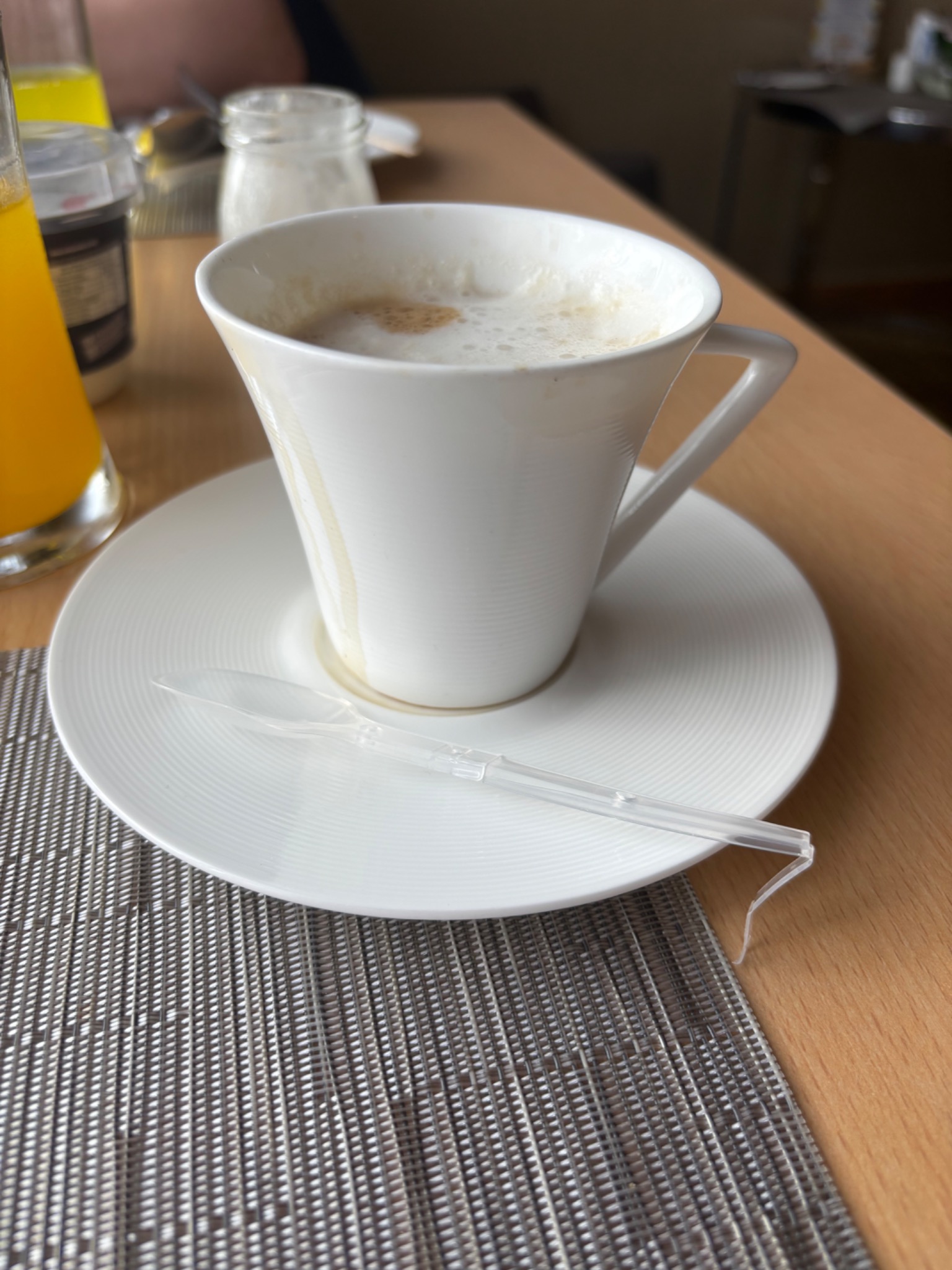
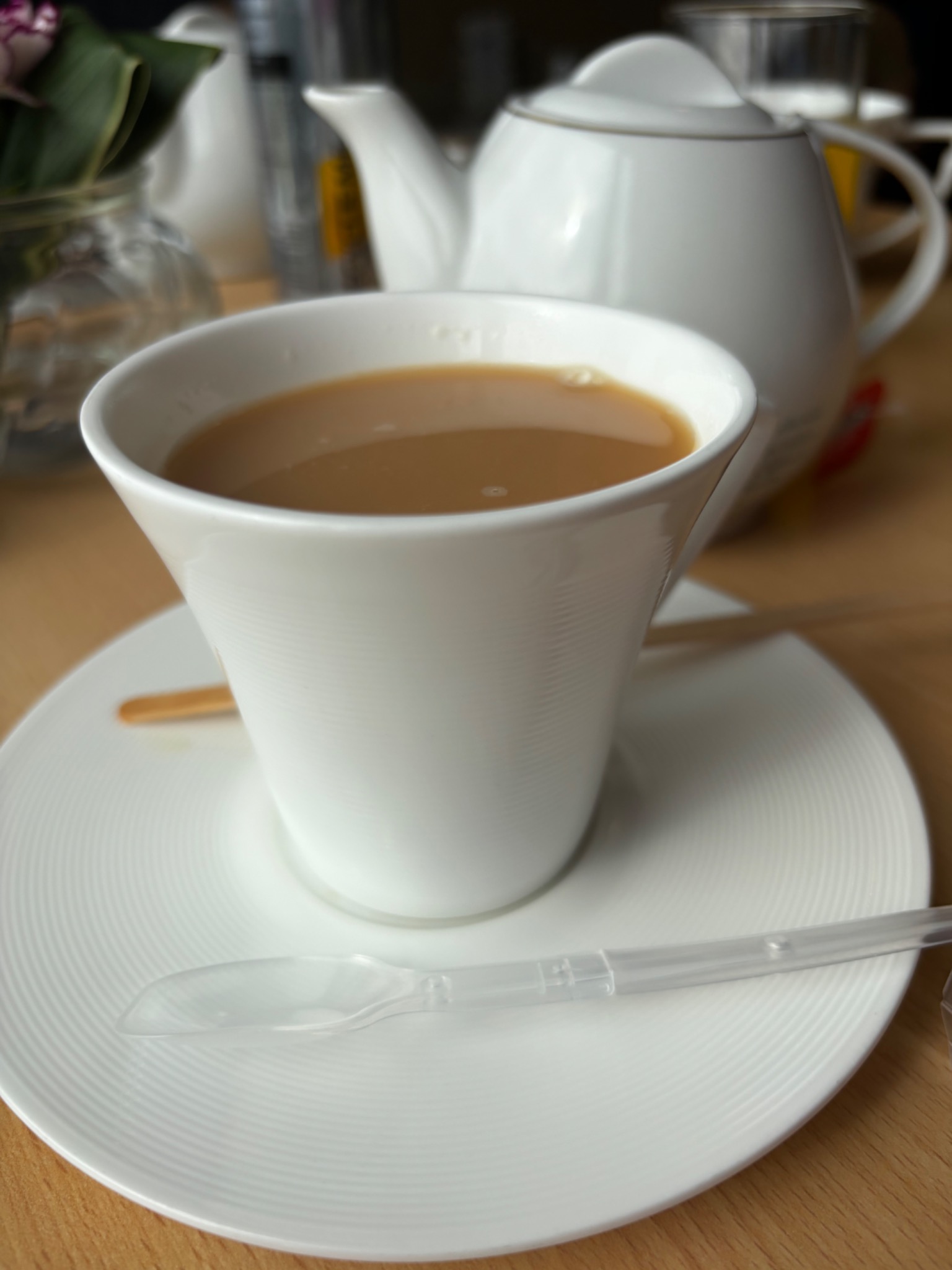
Cutlery and crockery were running low. Tea and coffee were served with wooden stirrers. When a teaspoon was requested, the response was not a teaspoon at all, but a foldable plastic spoon.
In a basic self-service space, perhaps some Guests would overlook it. In a four-star executive lounge, it felt careless.
Executive lounges are not only about food and drink. They are about reassurance, calm and a sense of being looked after. The Guest should not have to notice stock shortages, improvised equipment solutions or operational workarounds.
A lounge can fail quietly long before anyone makes a formal complaint.
The GUESTX View
Within ten minutes of entering the lounge, it was easy to tell that it lacked coordination, management and process.
Staff appeared to be doing their best, but this does not excuse a management failure to provide the proper training, manpower, equipment and resources required to deliver the promised standard.
The issue was never just a missing teaspoon. It was a visible sign of a wider operational gap.
When Guests see improvisation, they feel the absence of control. When the basics are missing, the brand promise becomes difficult to believe.
← Back to blog